
Help us help you. By posting the year, make, model and engine near the beginning of your help request, followed by the symptoms (no start, high idle, misfire etc.) Along with any prevalent Diagnostic Trouble Codes, aka DTCs, other forum members will be able to help you get to a solution more quickly and easily!
P0017 crank cam correlation code sensor 2
- Mewtwo
-
 Topic Author
- Offline
- New Member
-

Less
More
- Posts: 3
- Thank you received: 0
4 months 3 weeks ago #92972
by Mewtwo
P0017 crank cam correlation code sensor 2 was created by Mewtwo
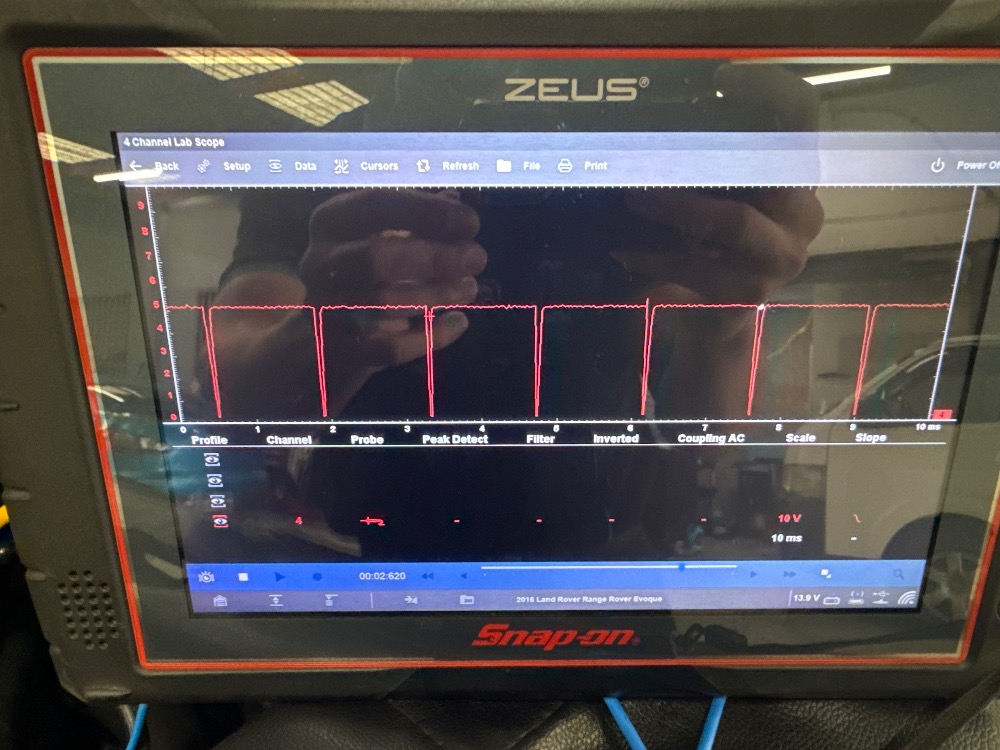
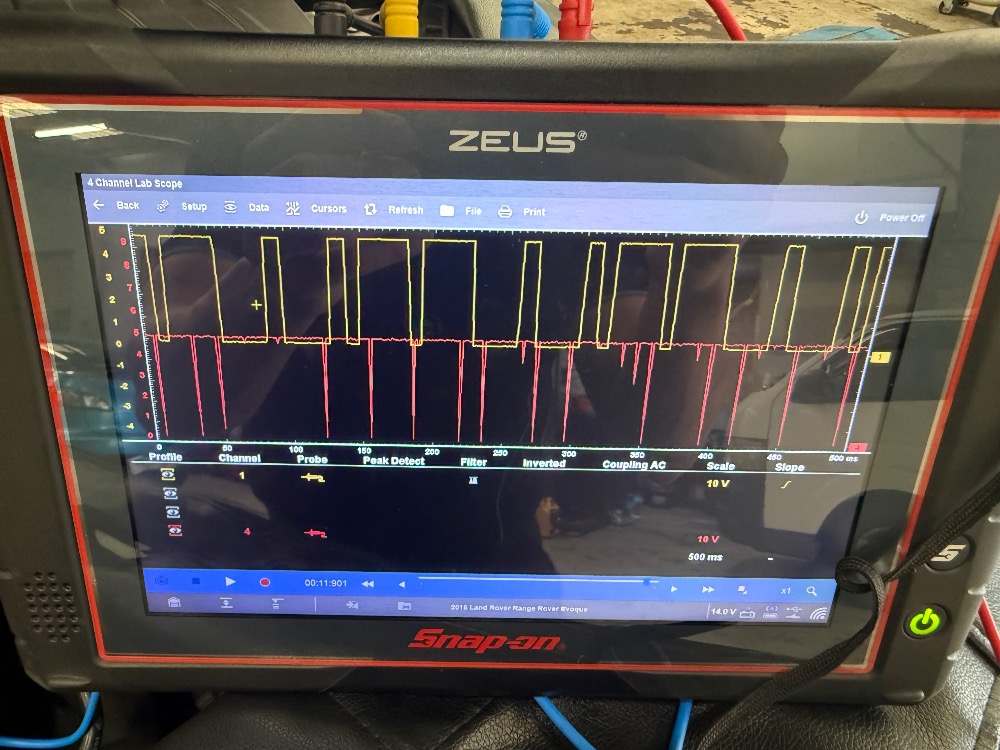
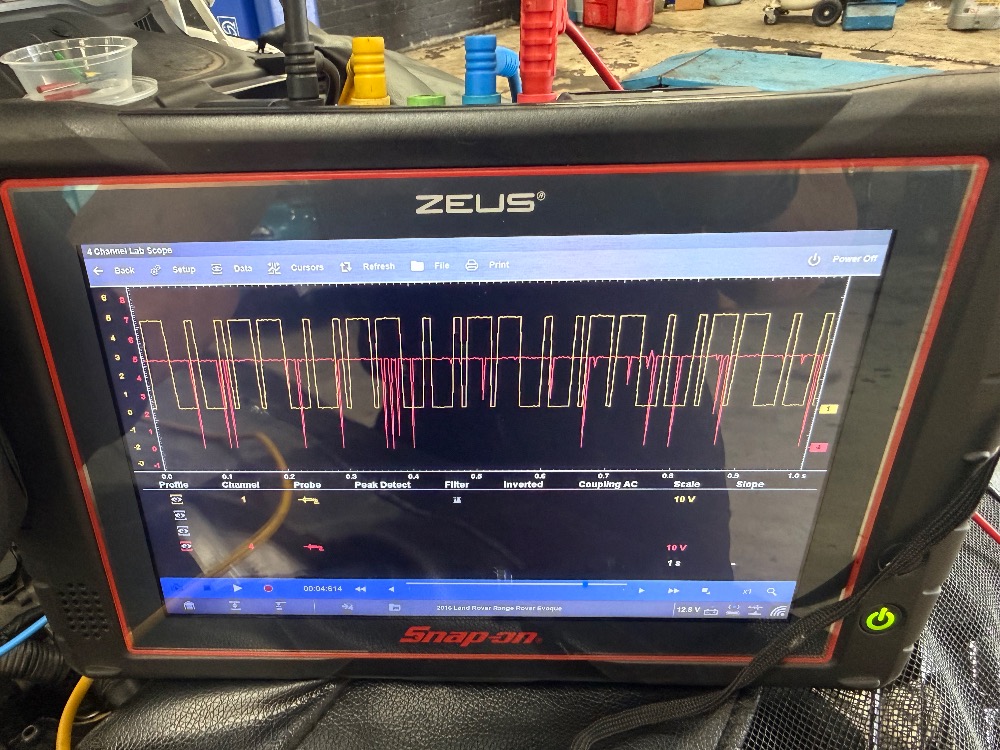
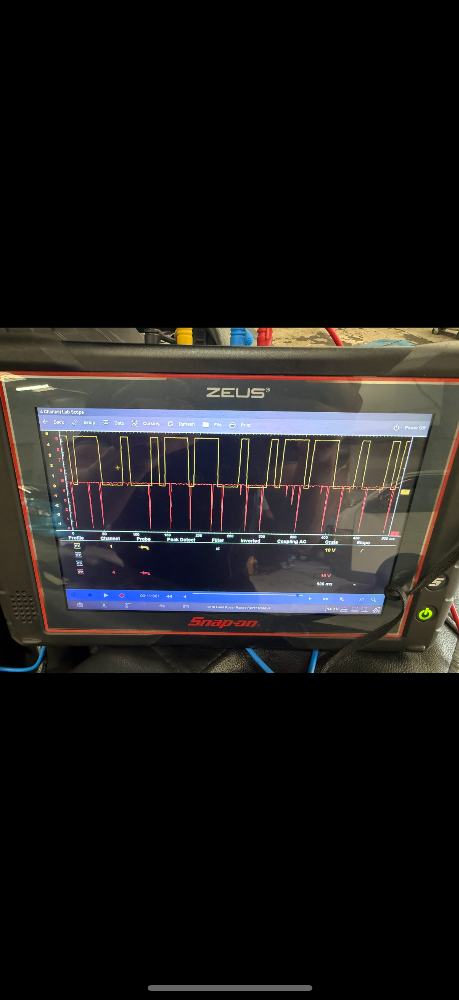
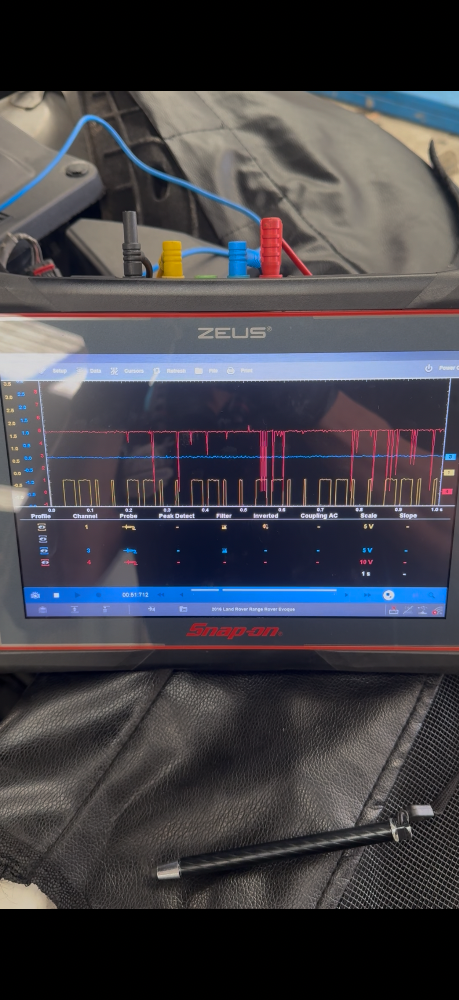
Hi everyone, looking for some advice on a 2016 Range Rover Evoque 2.0L petrol turbo with a persistent P0017 crank/cam correlation fault (Bank 1 Sensor 2, which I believe is exhaust cam related). I was called out to assist another workshop with diagnosis. Workshop owner advised customer originally brought the vehicle in with the engine light on and P0017 present. He stripped the timing cover and found the intake VVT phaser/sprocket damaged internally and collapsed. He replaced the timing chain, tensioner, and intake phaser, timed the engine using the correct timing tools, reassembled the vehicle, road tested it, and stated the vehicle drove fine. Vehicle was returned to the customer, however approximately an hour later the customer called back advising the engine light had returned. Workshop rechecked timing by stripping the front cover back down again and confirmed timing was spot on. He re-timed the engine again with timing tools and confirmed alignment was correct. Fault still returned. He then swapped both cam sensors from another known good vehicle. He advised the fault appeared to take longer to return, however eventually P0017 returned again. That is when I was called in. Upon arrival I confirmed P0017 crank/cam correlation fault stored. I road tested the vehicle while monitoring intake and exhaust cam desired vs actual values and VVT duty cycles. What stood out to me was the cam positions appeared mostly static and showed very little movement regardless of RPM/load. Fault appears to return mainly under load/driving conditions. At idle it does not seem to return immediately, however once driven and revved past approximately 2,000–3,000 RPM the fault returns relatively quickly. Back in the workshop I identified the exhaust oil control valve control circuit and manually grounded the control wire. As soon as I grounded it, RPM changed immediately and the engine nearly stalled. Duty cycle also changed on the multimeter. To me this suggests oil flow is present, the oil control valve is capable of operating, and the cam phaser is capable of movement. I also scoped cam and crank signals. My initial crank capture was not ideal due to timebase settings being too long, however waveform did appear stable once zoomed in further. At this stage I’m trying to determine if manually grounding the exhaust OCV and causing immediate RPM change effectively proves the OCV and oil supply are functioning. Does this also prove the exhaust phaser itself is mechanically okay and capable of movement, or is this not enough to fully rule the exhaust phaser out? At this point I am leaning toward a possible exhaust phaser issue despite the workshop owner stating the exhaust phaser appeared mechanically okay during inspection. The intake phaser definitely had visible internal damage and required replacement. Any advice on further testing or known issues on these engines would be greatly appreciated.
Please Log in or Create an account to join the conversation.
- Chad
-

- Offline
- Moderator
-

- I am not a parts changer.
Less
More
- Posts: 2219
- Thank you received: 743
4 months 3 weeks ago #92974
by Chad
"Knowledge is a weapon. Arm yourself, well, before going to do battle."
"Understanding a question is half an answer."
I have learned more by being wrong, than I have by being right.
Replied by Chad on topic P0017 crank cam correlation code sensor 2
Does the P0017 have a sub-type? For example: P0017-76, P0017-79, or P0017-00
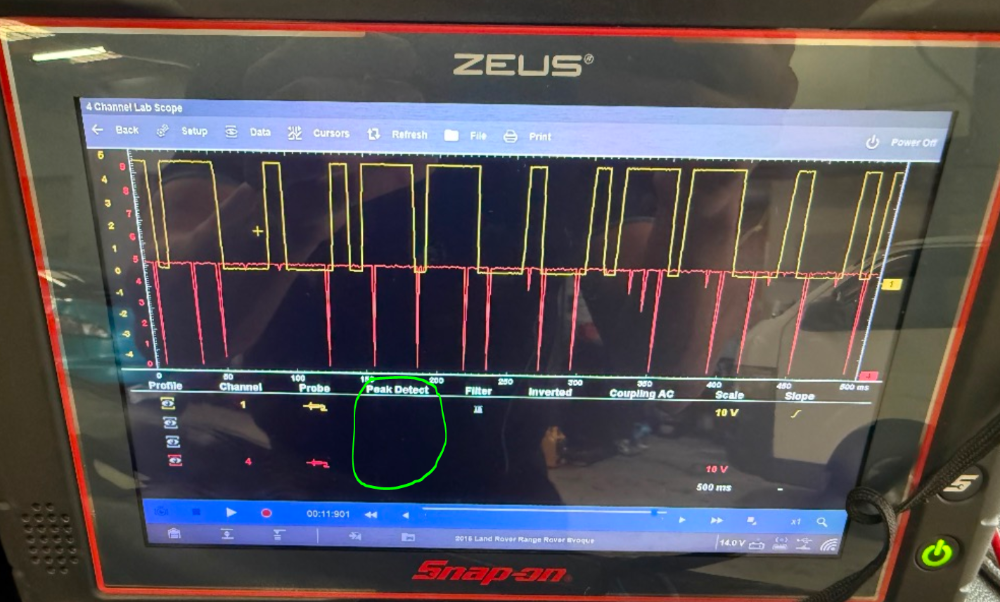
Use your scan too to command cam advancement while monitoring the Cam/Crank waveform. Can you see a shift in the camshaft waveform?
Monitor control voltage at the solenoid. Can you see the command in the control voltage?
You should turn on Peak Detect. It will increase your sample rate for a better capture of fast signals.
Use your scan too to command cam advancement while monitoring the Cam/Crank waveform. Can you see a shift in the camshaft waveform?
Monitor control voltage at the solenoid. Can you see the command in the control voltage?
You should turn on Peak Detect. It will increase your sample rate for a better capture of fast signals.
"Knowledge is a weapon. Arm yourself, well, before going to do battle."
"Understanding a question is half an answer."
I have learned more by being wrong, than I have by being right.
Please Log in or Create an account to join the conversation.
- Mewtwo
-
Topic Author
- Offline
- New Member
-
Less
More
- Posts: 3
- Thank you received: 0
4 months 2 weeks ago #93004
by Mewtwo
Replied by Mewtwo on topic P0017 crank cam correlation code sensor 2
Hi Chad, i checked amperage of the ocv but i did not scope it, i did have amperage though. If i end up going back to the worshop, i will carry out those bidirectional tests, thank you for the reply.
Please Log in or Create an account to join the conversation.
Time to create page: 0.275 seconds